Donor Advised Funding Program
A new way to scale CSR in Mongolia. Sponsors pick a social cause that fits their CSR goals; we pool their funds with international donors and scale projects that have already been piloted.
- Causes ready to scale
- 3
- MNT funding sought
- 200M
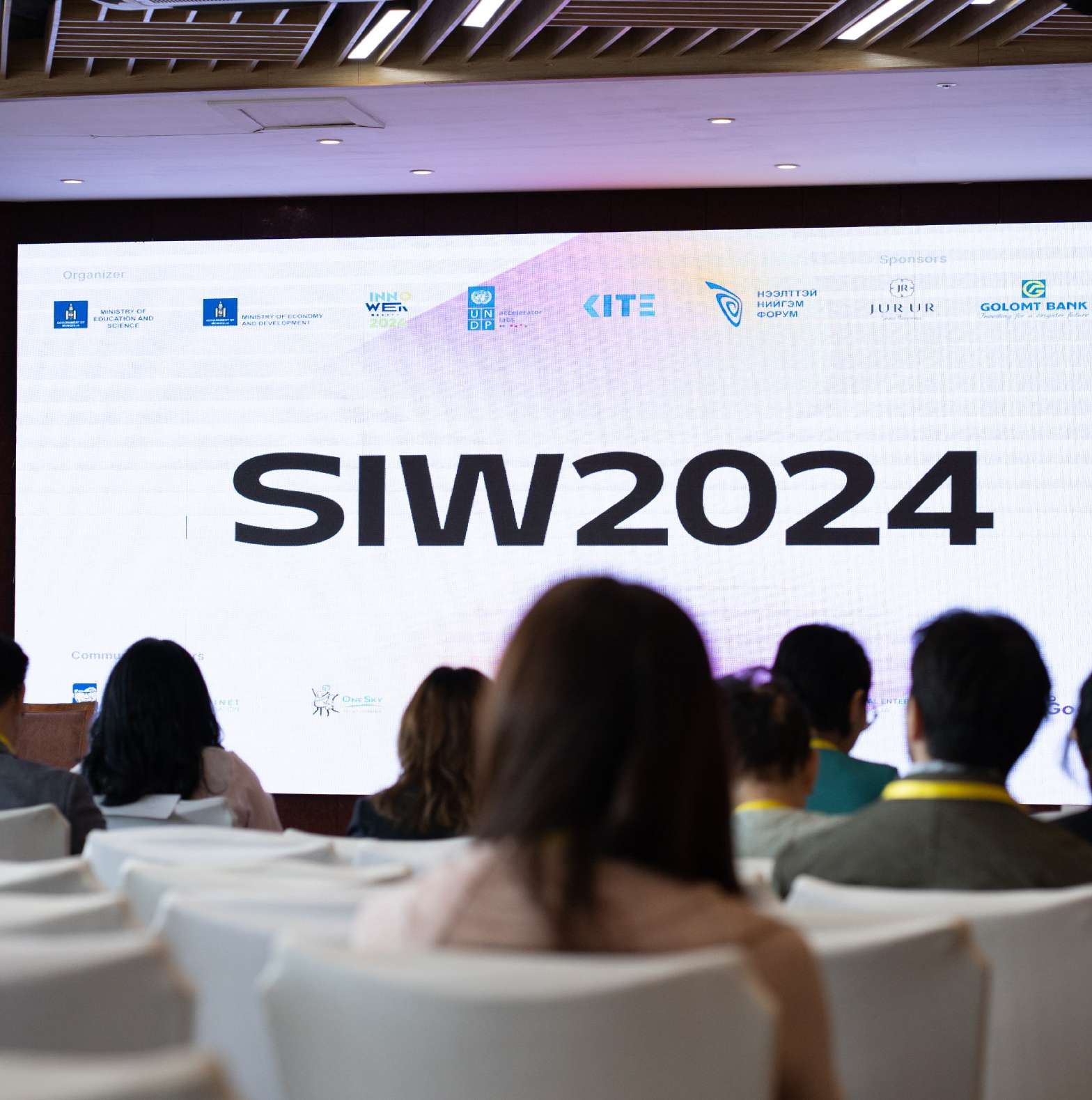
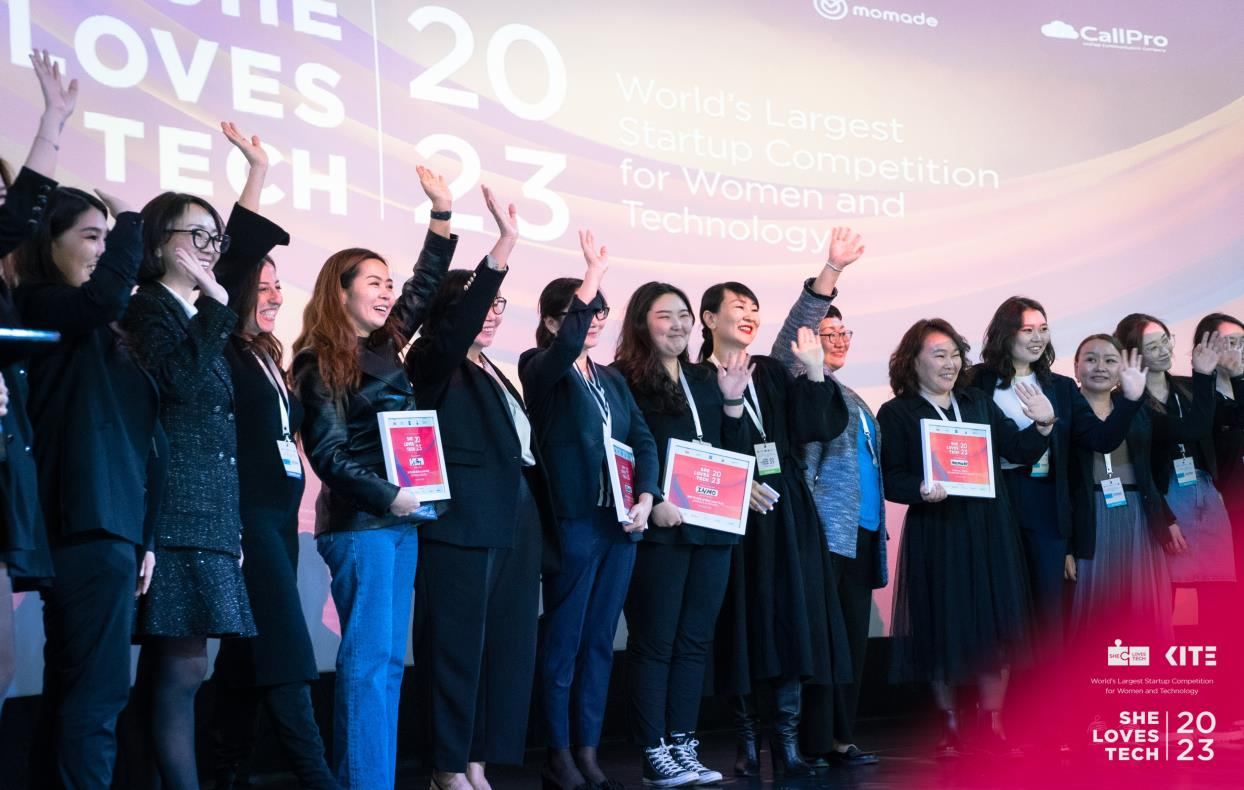
- Launched at SIW 2023
- 2023
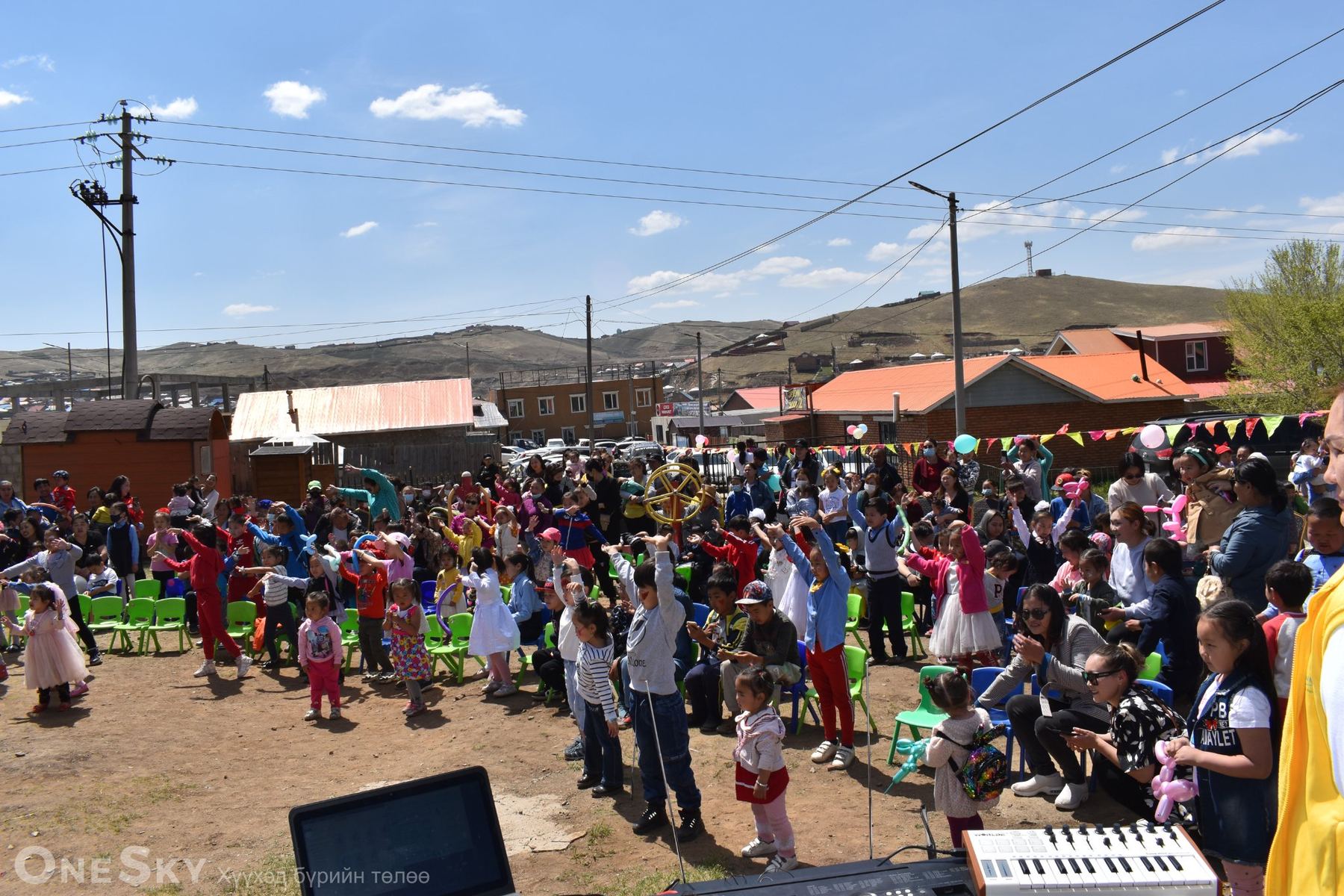 OneSky community day · a DAFP cause
CSR in Mongolia is growing, but rarely scales
KITE started the Donor Advised Funding Program to support innovation and social innovation through CSR. We pool CSR funds from leading Mongolian companies and multiply them with grants from international development organisations, charities and donors.
Globally, companies are moving away from one-off CSR projects towards collaboration that scales social impact. DAFP brings that approach to Mongolia.
Too little know-how
There is a lack of advice, information, knowledge and experience in CSR.
Too little credit
The public rarely acknowledges socially and environmentally responsible business actions.
Too many one-offs
Individual CSR projects seldom grow beyond a pilot without partners and pooled funding.
Source: Tom Kerby, Corporate Social Responsibility in Mongolia, 2018.
Four steps from budget to impact
Pick a cause
Sponsors choose a cause that matches their CSR activities from a shortlist of tested pilots.
Pool and match
We combine CSR funds and multiply them with grants from development, charity and donor organisations.
Scale the pilot
Funds go to a defined scale-up plan with a clear scope and budget, run with the project team and local partners.
Report back
Sponsors see the results and are recognised at Social Innovation Week, where donations are reported on stage.
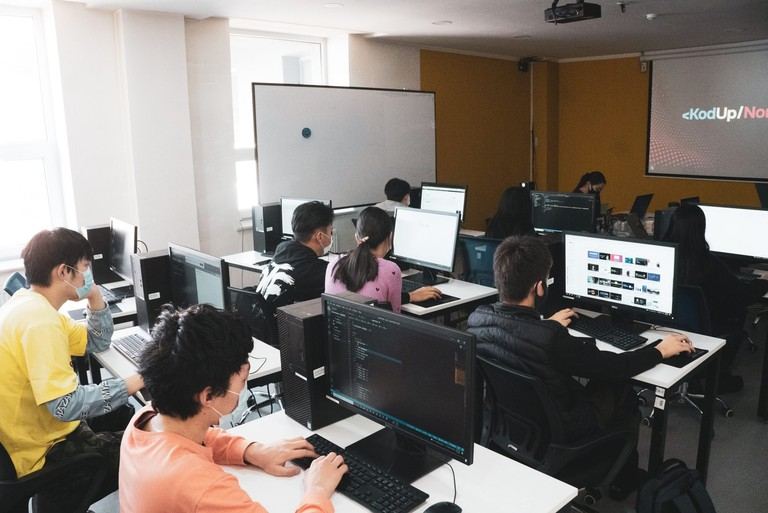
Cause 1 · KodUpNomads: coding skills for youth
KodUpNomads builds a foundation in coding for high-school students, creating a path to STEM education, employment and income.
Mongolia's ranks in the World Economic Forum competitiveness report, 2022.
- Pilot
- Introduced by KITE in 2022. 150 students from ger districts enrolled, 54% of them girls; only half could take part because of space and computer limits.
- Issues found
- 61% have no computer at home and limited internet. Most schools have no IT lab. IT skills in ger areas are very limited despite IT teachers at schools.
- Scale-up
- Start KodUpNomads clubs at public schools and pay IT teachers to run them.
- Scope
- 10 public schools
- Funding & use
- MNT 80M for IT teacher pay and connectivity
- Funding partners
- Direct Aid Program (Embassy of Australia in Mongolia), Solutions for Social Equity NGO, KITE Mongolia
- Supporting partners
- Golomt Bank, Mobicom, Dentsu Data Artist, USP+, Bayanzurkh and Selbe sub-centres
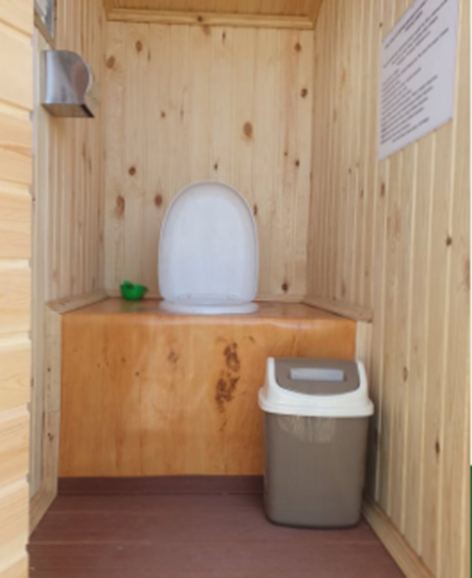
Cause 2 · Waterless Toilet: hygiene for ger areas
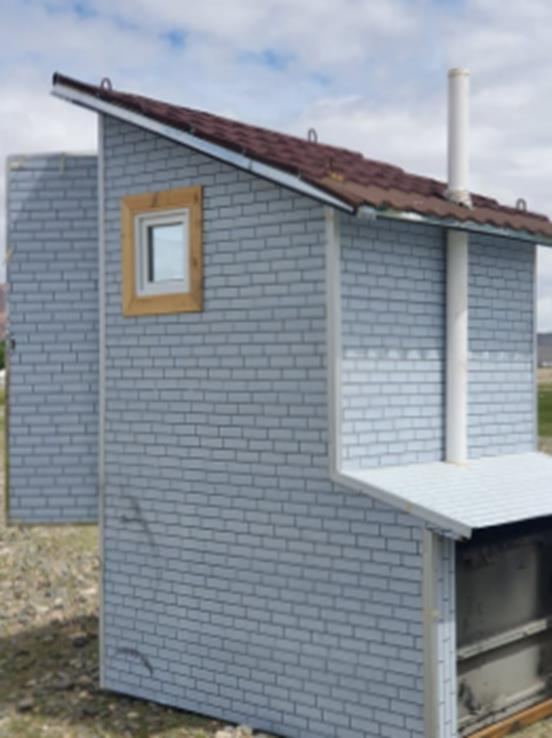
The Waterless Toilet program creates a community-driven solution for toilets and hygiene in ger areas, connecting the private sector with ger-area communities.
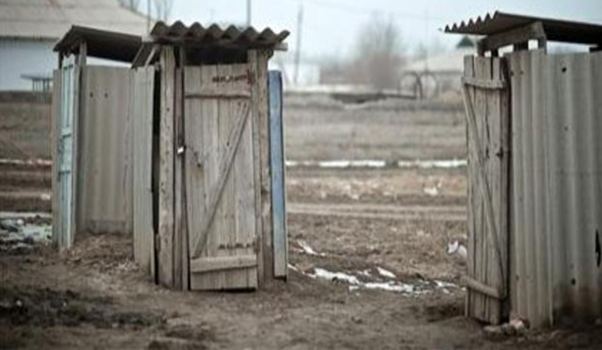
Source: UB Post. Most khashaa yards in the ger districts also hold two to five old, buried pit latrines.
- Pilot
- Introduced by UNICEF in 2017 and a participant of SIW 2021. KITE designed the community collaboration to scale the waterless toilet developed by Dulaan Elch, tested in the WASH program, with support from the Mongol Kosen Technology Implementation Center.
- Issues found
- The first prototype was too expensive for ger-area residents, the company could not expand alone, and the community was not involved.
- Scale-up
- A community-driven scheme to replace existing latrines, with financial partners in a blended-finance model.
- Scope
- Chin-Khuslent Cooperative, Selbe SME sub-centre
- Funding & use
- MNT 60M in grants to build the blended-finance solution
- Funding partners
- Solutions for Social Equity NGO, KITE Mongolia
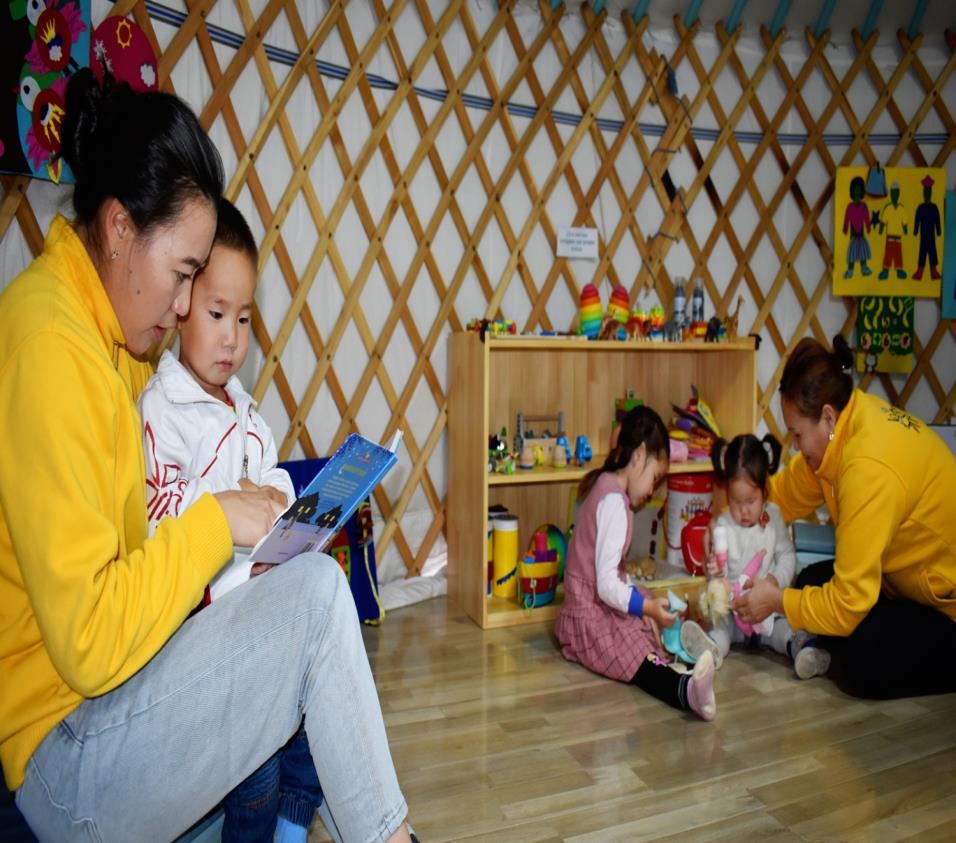
Cause 3 · OneSky: early education in ger and rural areas
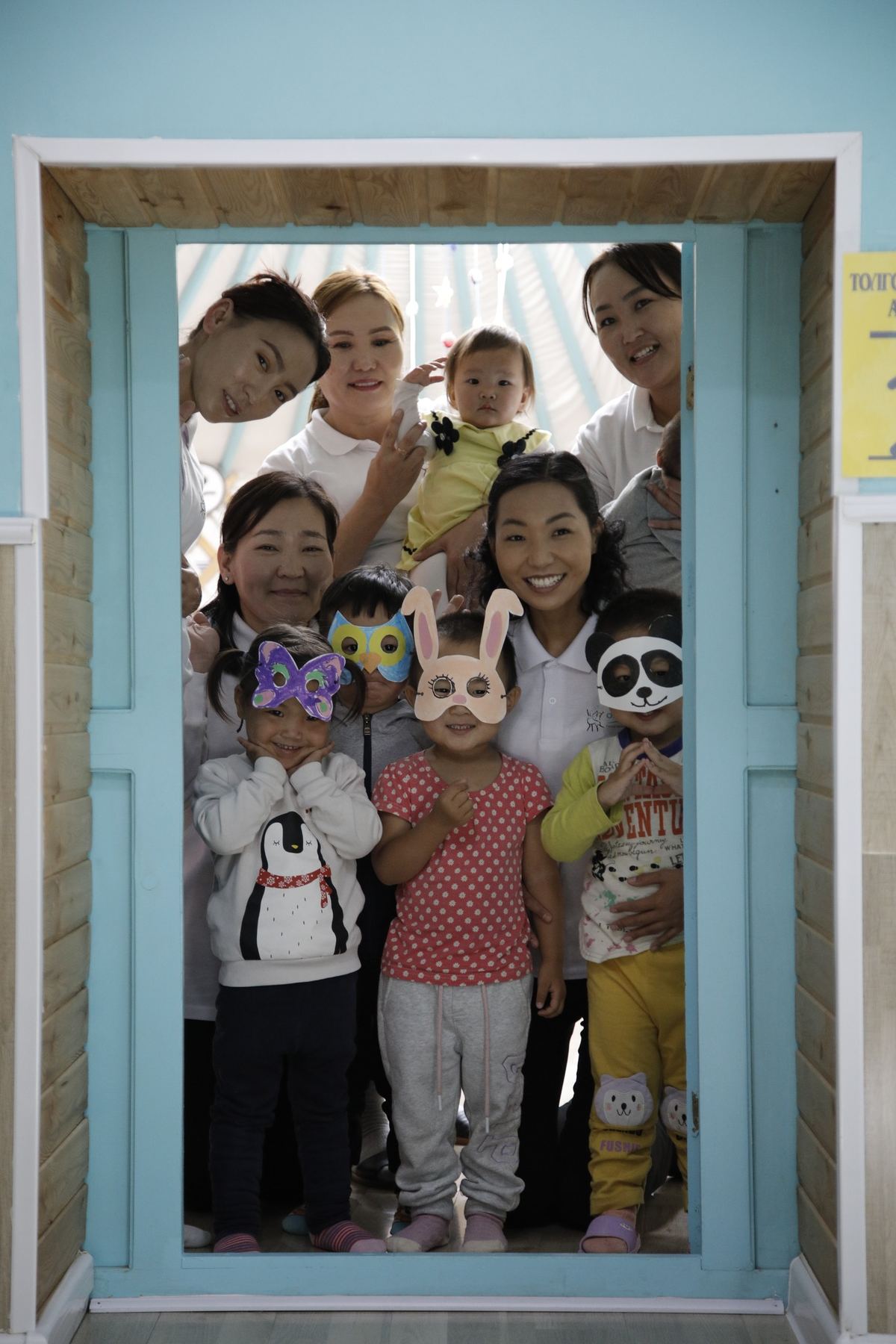
OneSky Mongolia trains parents in ger districts and rural areas so their children can thrive. Poverty in the ger districts puts young children at risk of physical, cognitive, social and emotional delay.
- Pilot
- OneSky Mongolia began in 2018 with a pilot centre in Bayanzurkh district and now wants to replicate the model in rural and other ger areas.
- Issues found
- People to scale up, and local partners in rural areas.
- Scale-up
- Connect with local NGOs, private nurseries and kindergartens that share the mission.
- Scope
- One rural OneSky chapter as a pilot
- Funding & use
- MNT 60M to open a OneSky centre in a selected region
- Supporting partners
- Ministry of Education and Science, Ministry of Labour and Social Protection, Lorinet Foundation and private donors
Choose your cause
Write to our sponsoring team with the cause you want to back. We will share the budget, the plan and how impact is reported.